










FAQs
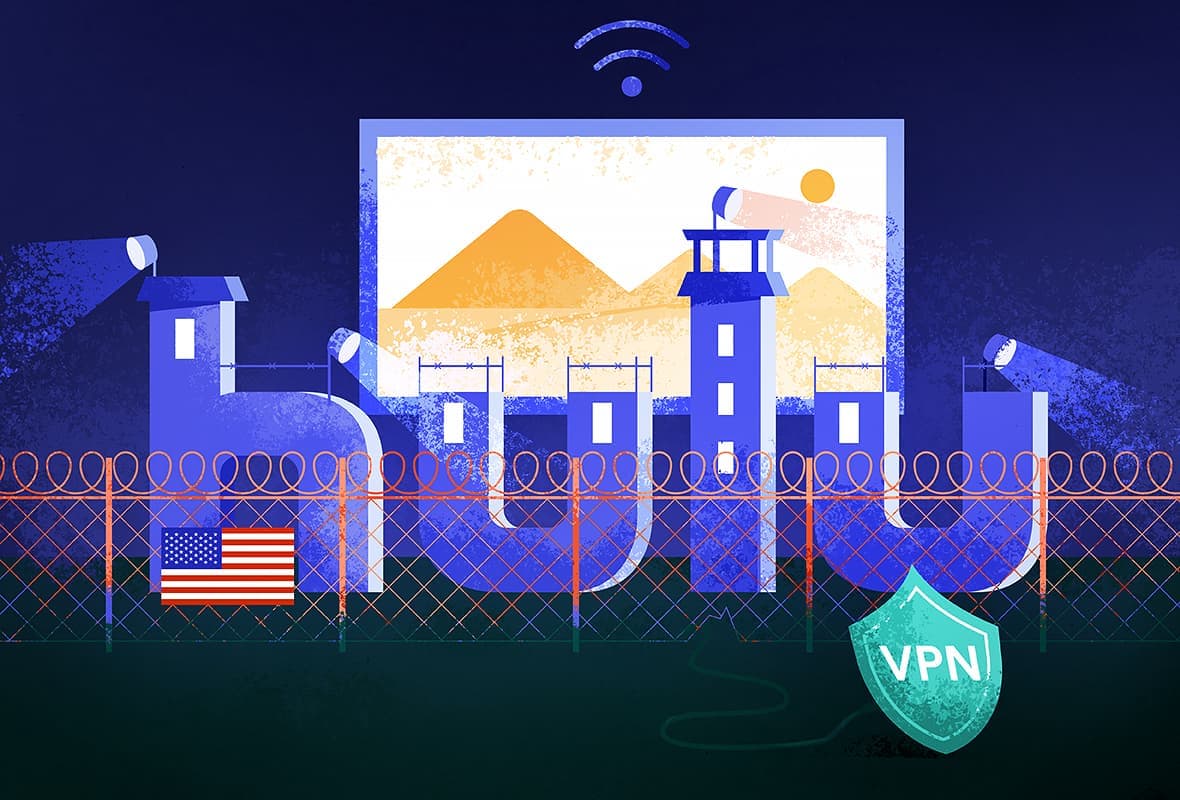
Why & How Does HBO Max Block VPNs?
Why & How Does HBO Max Block VPNs?
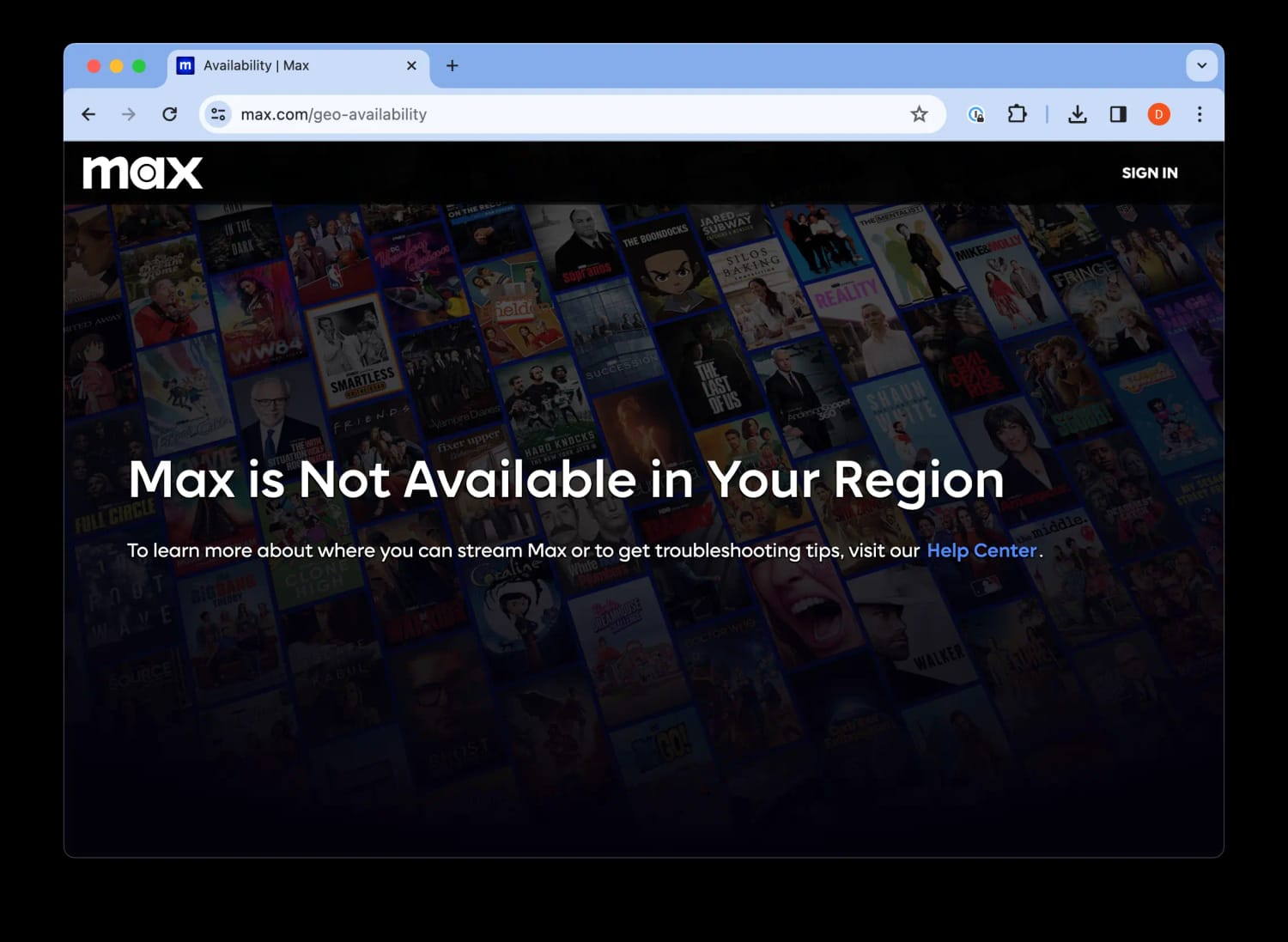
HBO Max blocks VPNs in order to honor the regional licensing deals it signs with local broadcasters and streaming platforms, which pay for the exclusive right to show certain content in their territory.
If HBO Max failed to stop customers from hopping between regions, it would risk losing those deals, along with some of the third-party content it hosts.
In order to block VPN traffic, HBO Max uses a combination of automated detection layers:
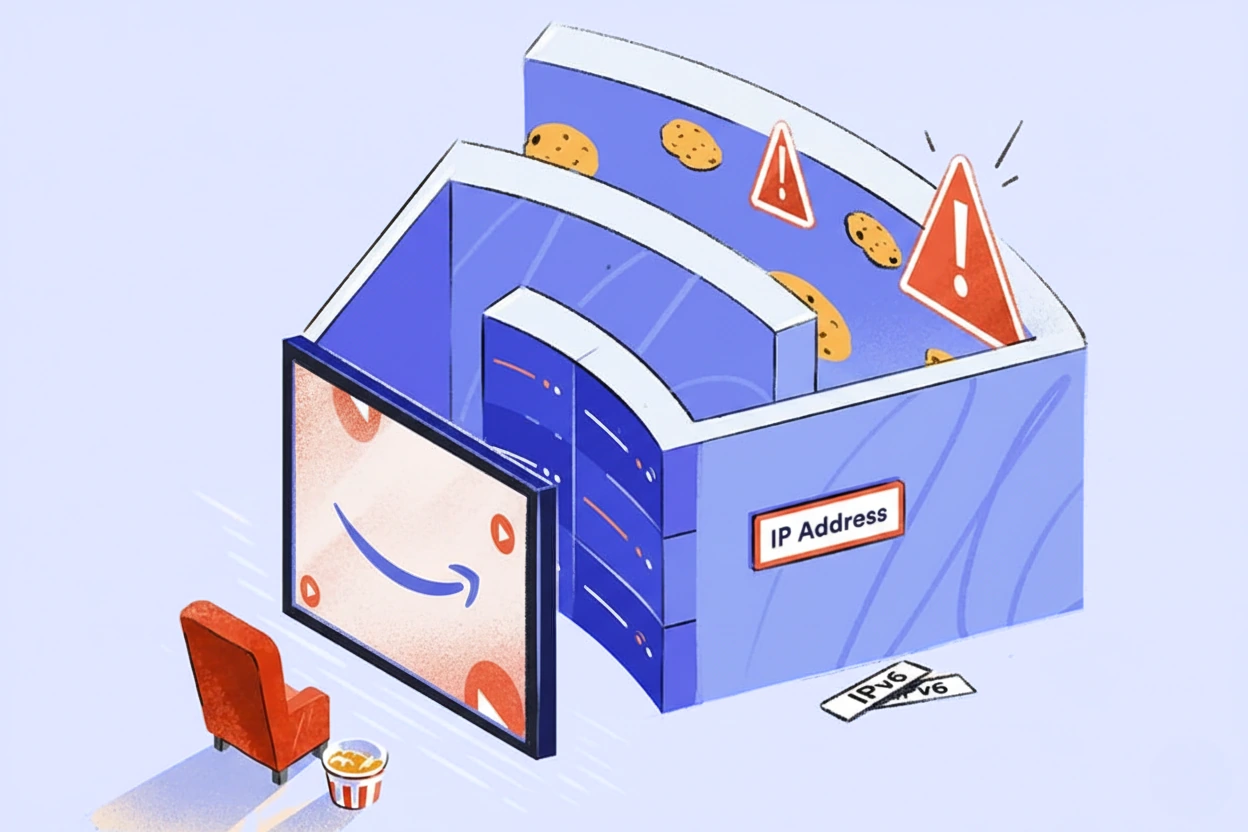
IP Blacklisting: HBO Max cross-references IP addresses against databases (like MaxMind) that list known VPN and proxy server addresses. If there is a match, the IP is flagged and blocked.
Deep Packet Inspection (DPI): The service analyzes the metadata of your connection. VPN traffic often uses specific “headers” or protocols (like WireGuard) that look different from standard home internet traffic.
Shared IP Traffic: Most VPNs share individual IP addresses with hundreds of users. If HBO Max sees 500 different accounts using the exact same IP, it blacklists it.
DNS Mismatching: If your VPN hides your IP address but fails to route your DNS requests through the same tunnel, your real location will be exposed. When your IP says you’re in New York but your DNS server says you’re in London, you’ll see the “Not in Service Area” error.
Is It Legal to Use a VPN with HBO Max?
Is It Legal to Use a VPN with HBO Max?
Yes, using a VPN to watch HBO Max is legal. VPNs are allowed in most countries, including the UK, US, Canada, and most of Europe.
HBO Max’s terms of use don’t mention VPNs, so there’s no explicit rule against using one. This means your account won’t be deactivated if you use a VPN.
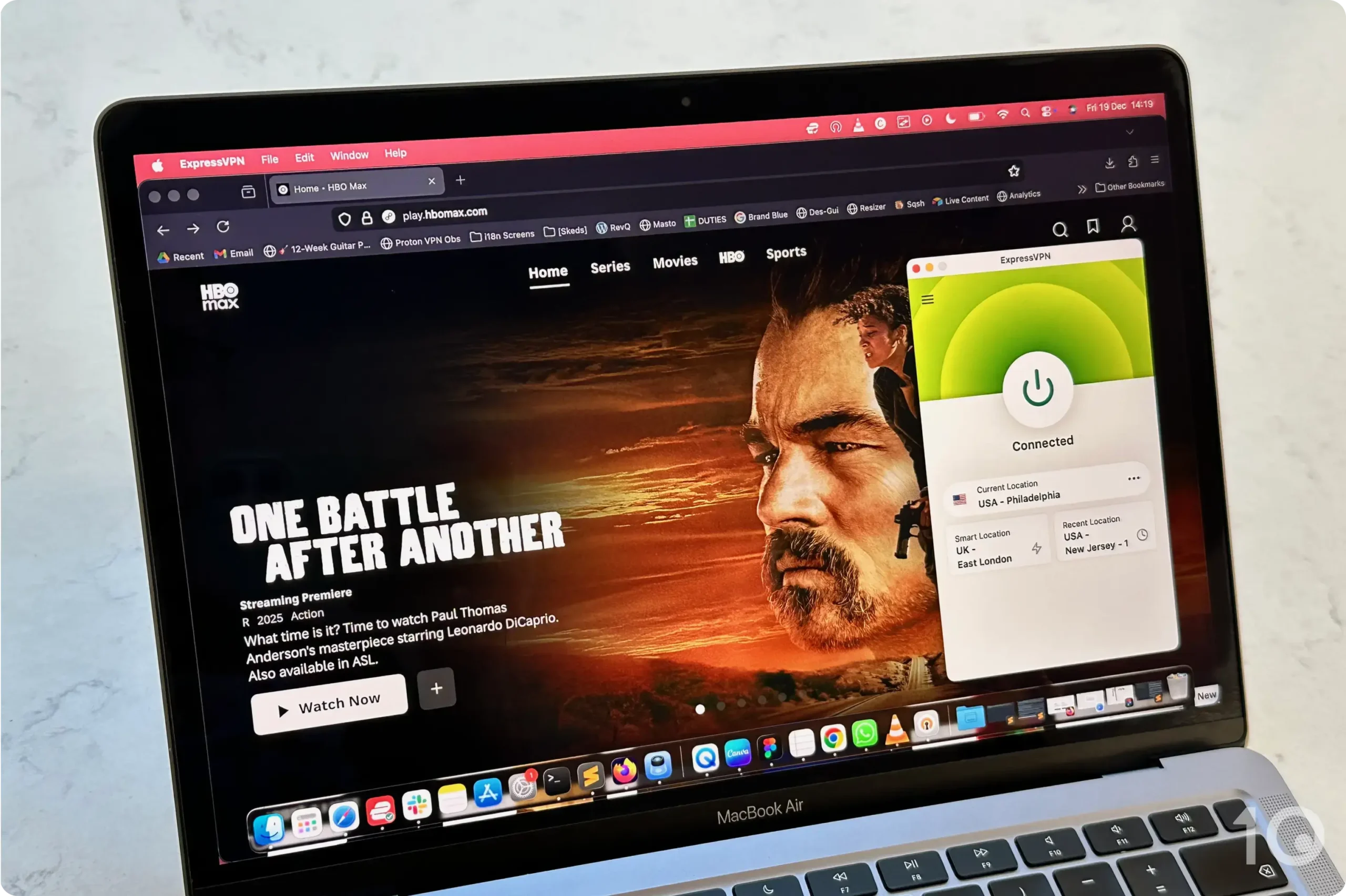
I’ve been using VPNs with HBO Max since it launched in 2020, and my original account is still active. I haven’t received any legal notifications or warnings during this time.