

















FAQs
Is It Legal to Use a VPN in the UK?
Is It Legal to Use a VPN in the UK?
Yes. Using a VPN in the UK is completely legal, and Ofcom has confirmed VPNs can’t be blocked under the Online Safety Act.
A VPN doesn’t exempt you from the law, though, and shouldn’t be used to access content you’re not legally allowed to.
Does a VPN Stop the Snoopers' Charter from Logging My Activity?
Does a VPN Stop the Snoopers' Charter from Logging My Activity?
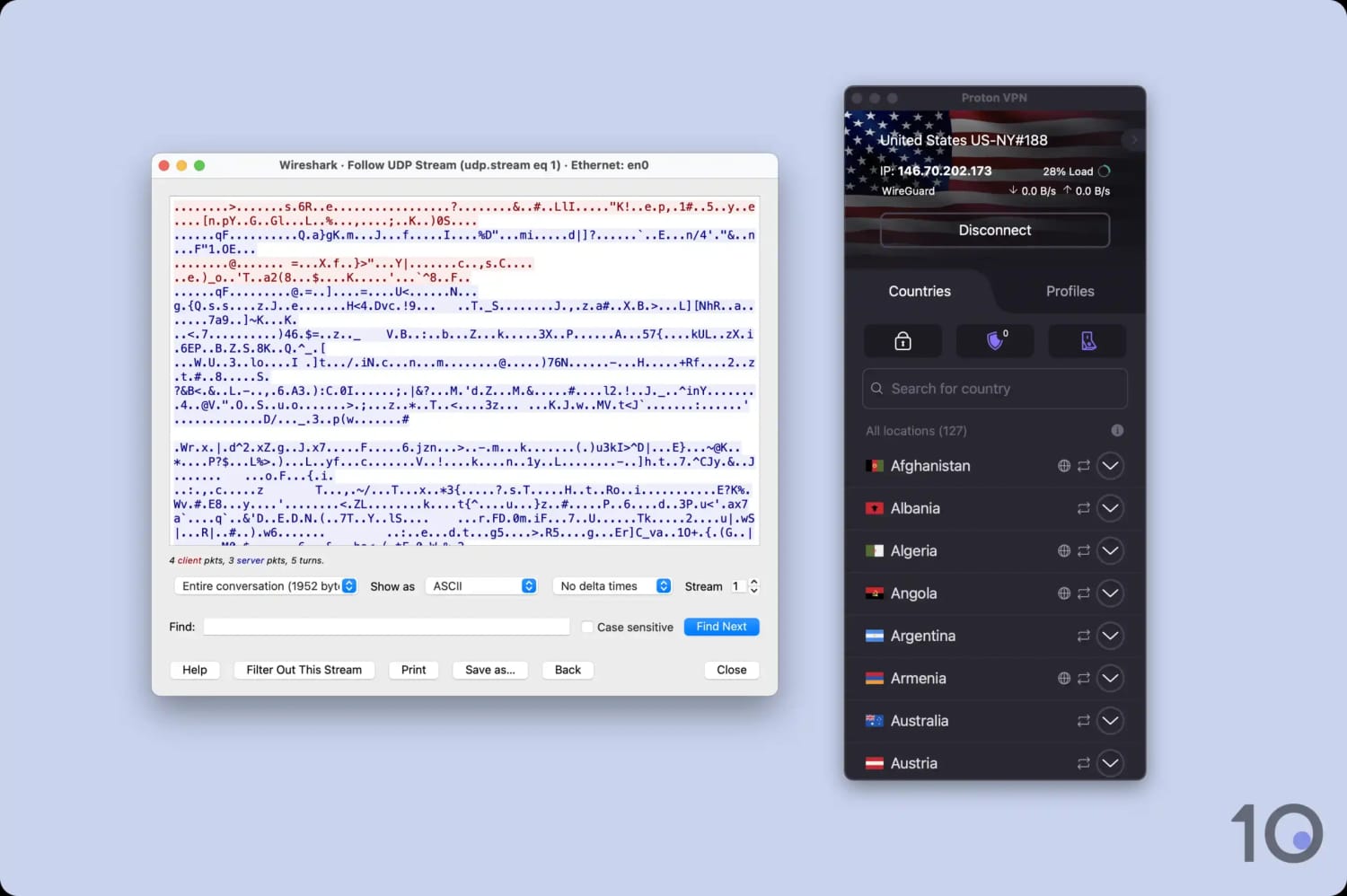
A VPN encrypts your traffic so your internet provider can’t log which websites you visit, which is the data retained under the Investigatory Powers Act.
It won’t hide activity from any service you actually log into, and it isn’t a shield against lawful investigation, so treat it as a privacy tool, not a cloak of invisibility.
Can I Use a Free VPN to Get a UK IP Address?
Can I Use a Free VPN to Get a UK IP Address?
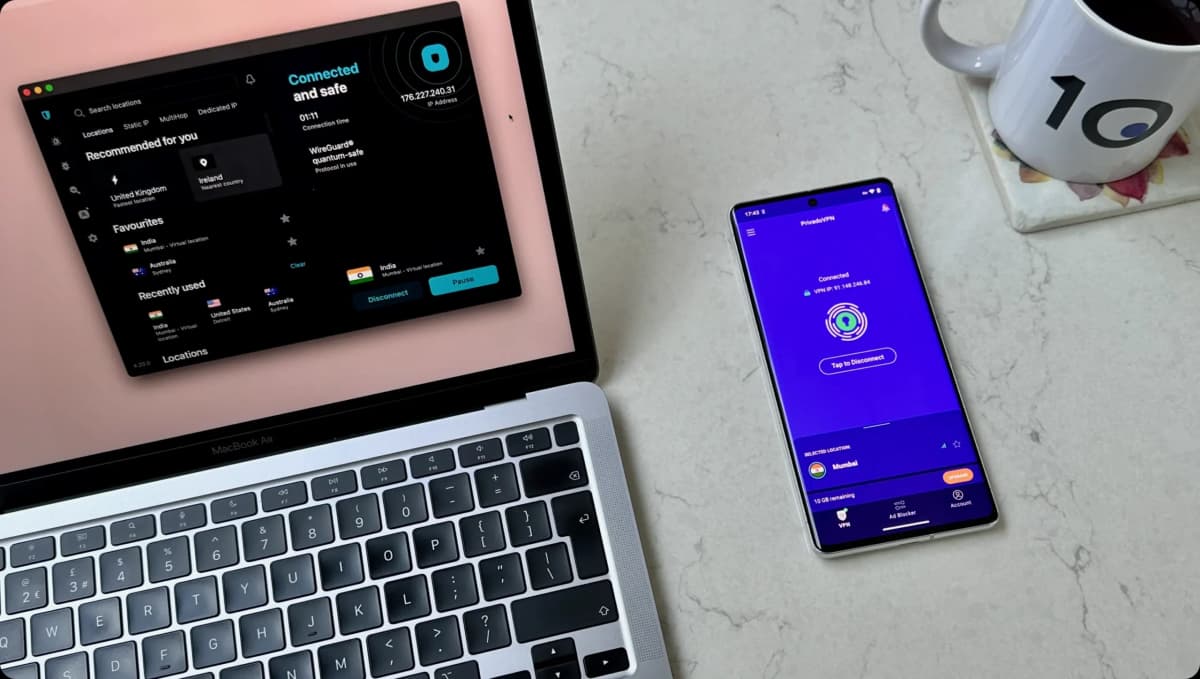
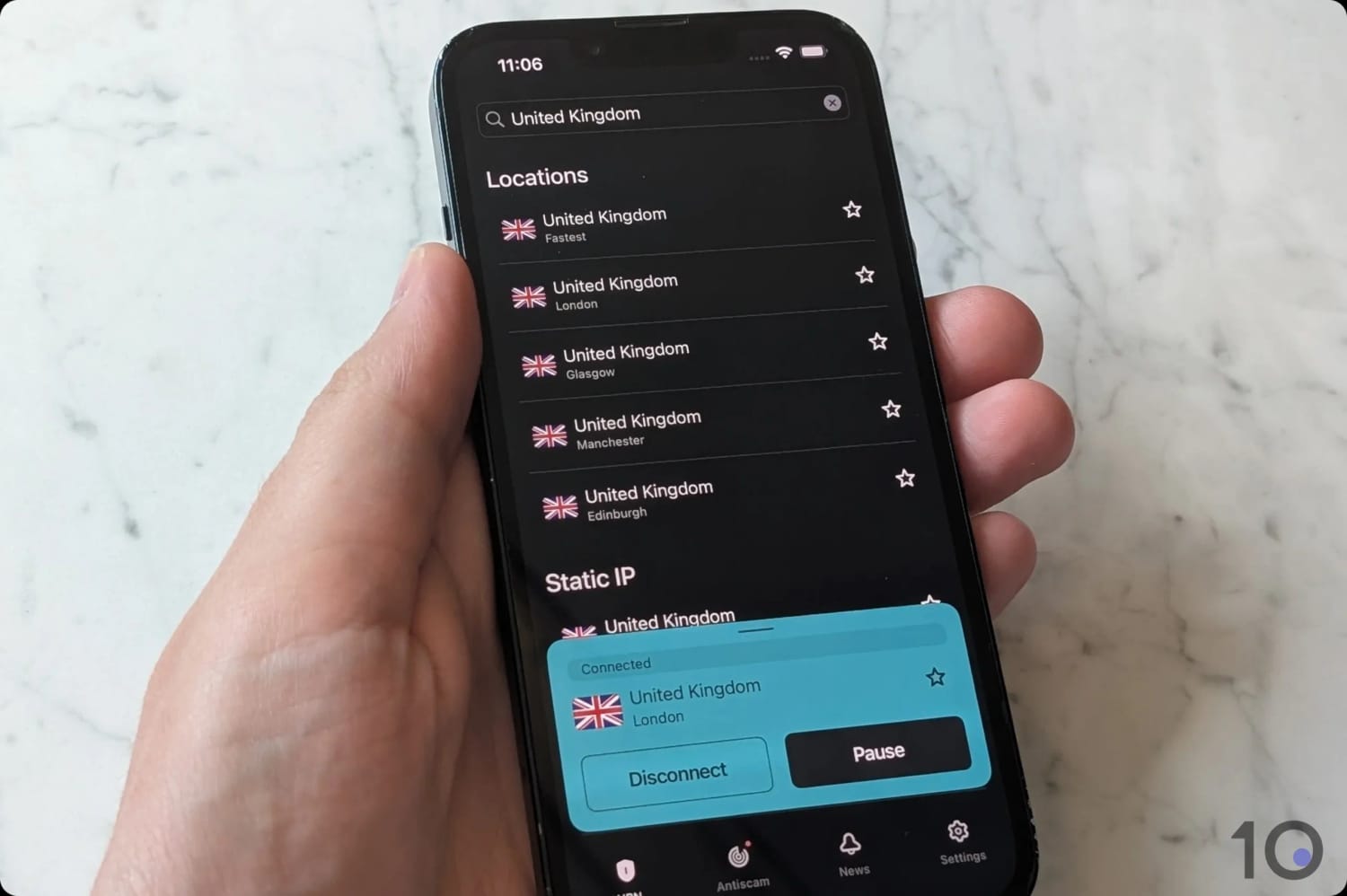
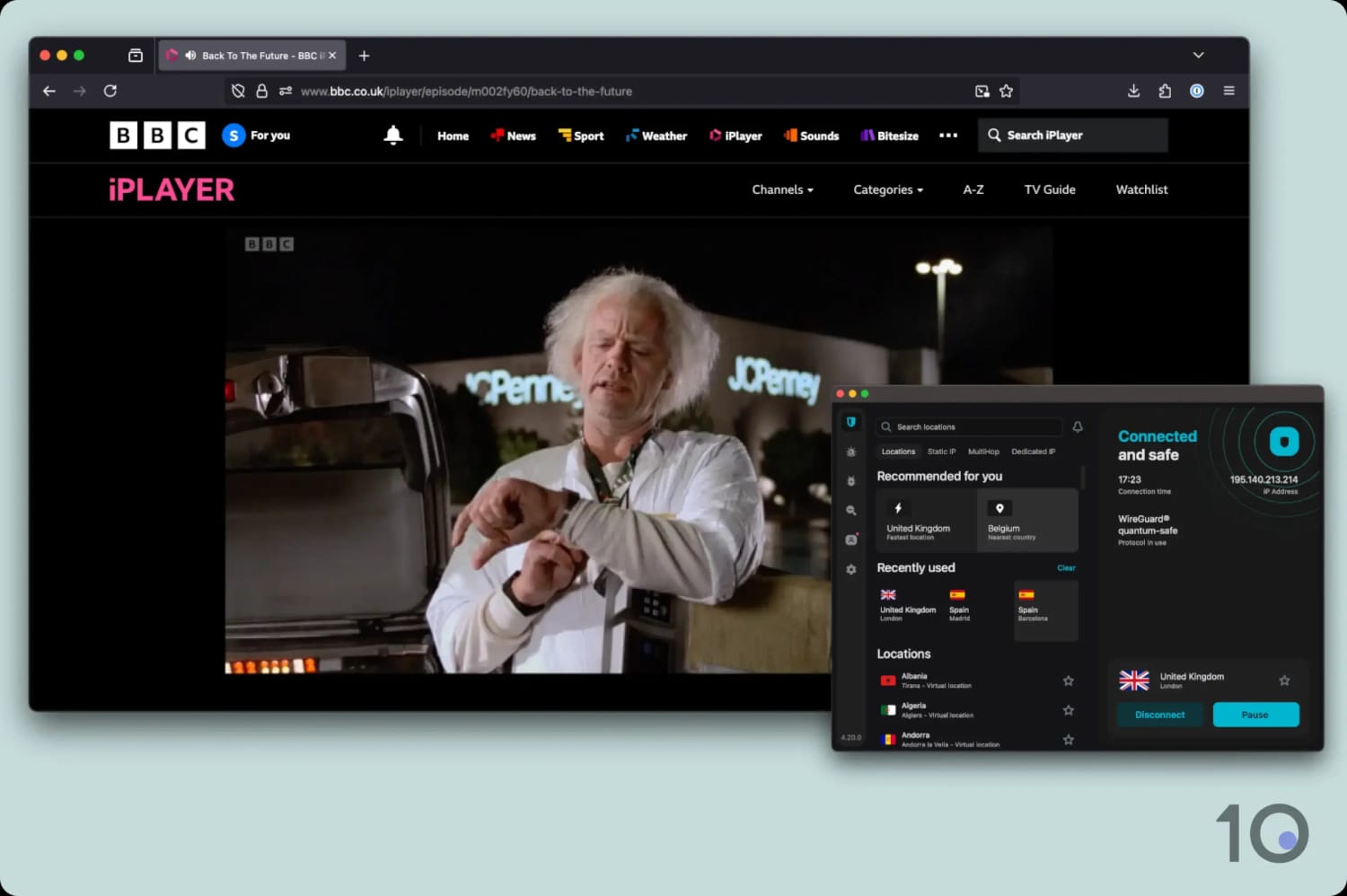
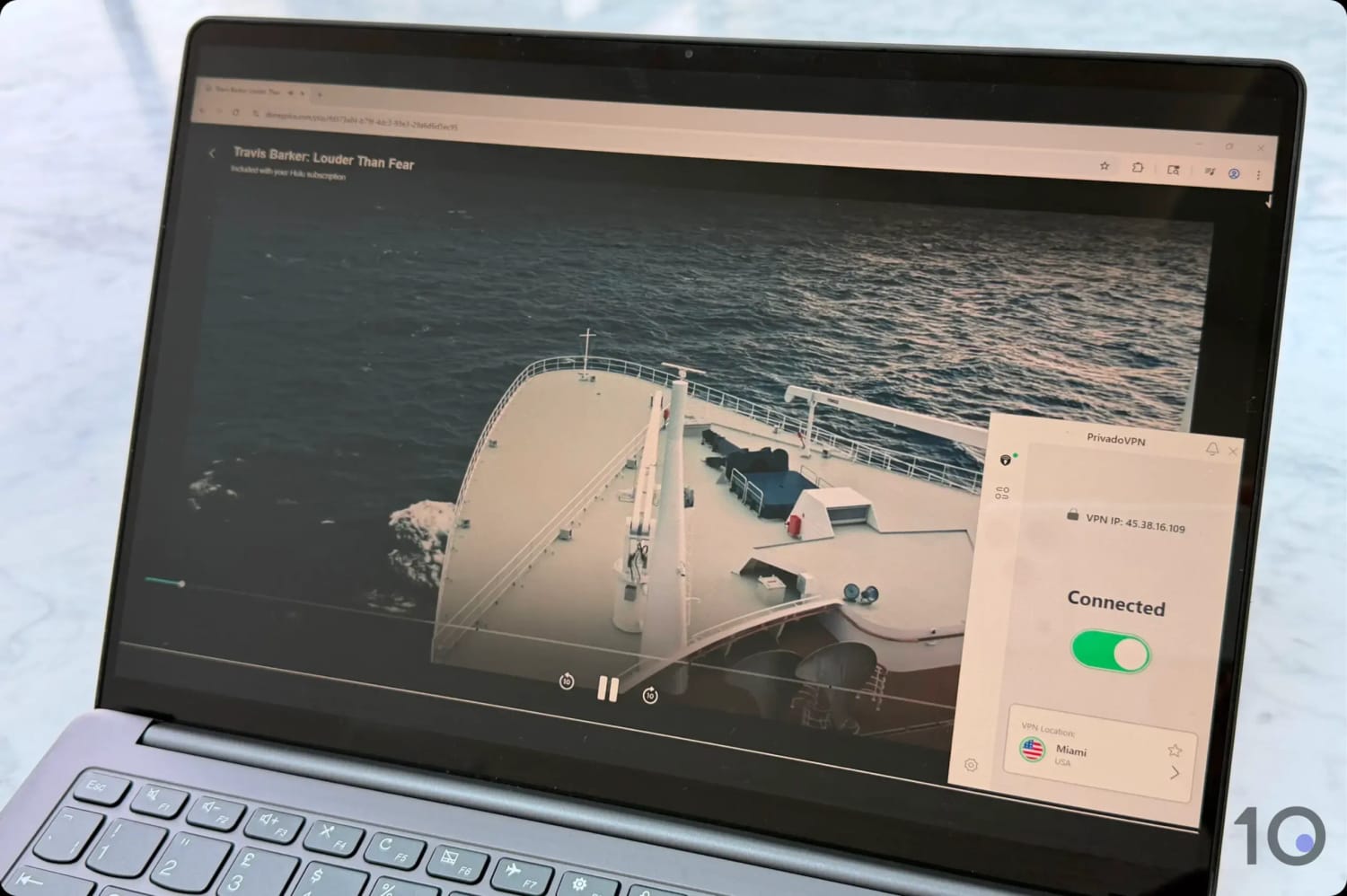
Yes, but choose carefully. PrivadoVPN’s free plan gives you a UK (London) IP address and unblocks British TV, capped at 10GB a month. Avoid unknown free VPNs, as many log and sell your data.
Why Does My UK ISP Block Certain Websites?
Why Does My UK ISP Block Certain Websites?
UK internet providers like BT and Virgin Media block sites for a few different reasons.
Some blocks are court-ordered, usually aimed at sites that infringe copyright, like piracy and illegal streaming services. Others come from the Internet Watch Foundation’s list of illegal material, which providers are expected to block.
On top of that, most big ISPs offer network-level “parental control” filters that restrict adult content and categories like gambling or dating, and these are often switched on by default unless you opt out.
Since the Online Safety Act, you’ll also run into age-verification checks on many adult sites, though those are enforced by the sites themselves rather than your ISP.
Can a VPN Access Websites My ISP Has Blocked?
Can a VPN Access Websites My ISP Has Blocked?
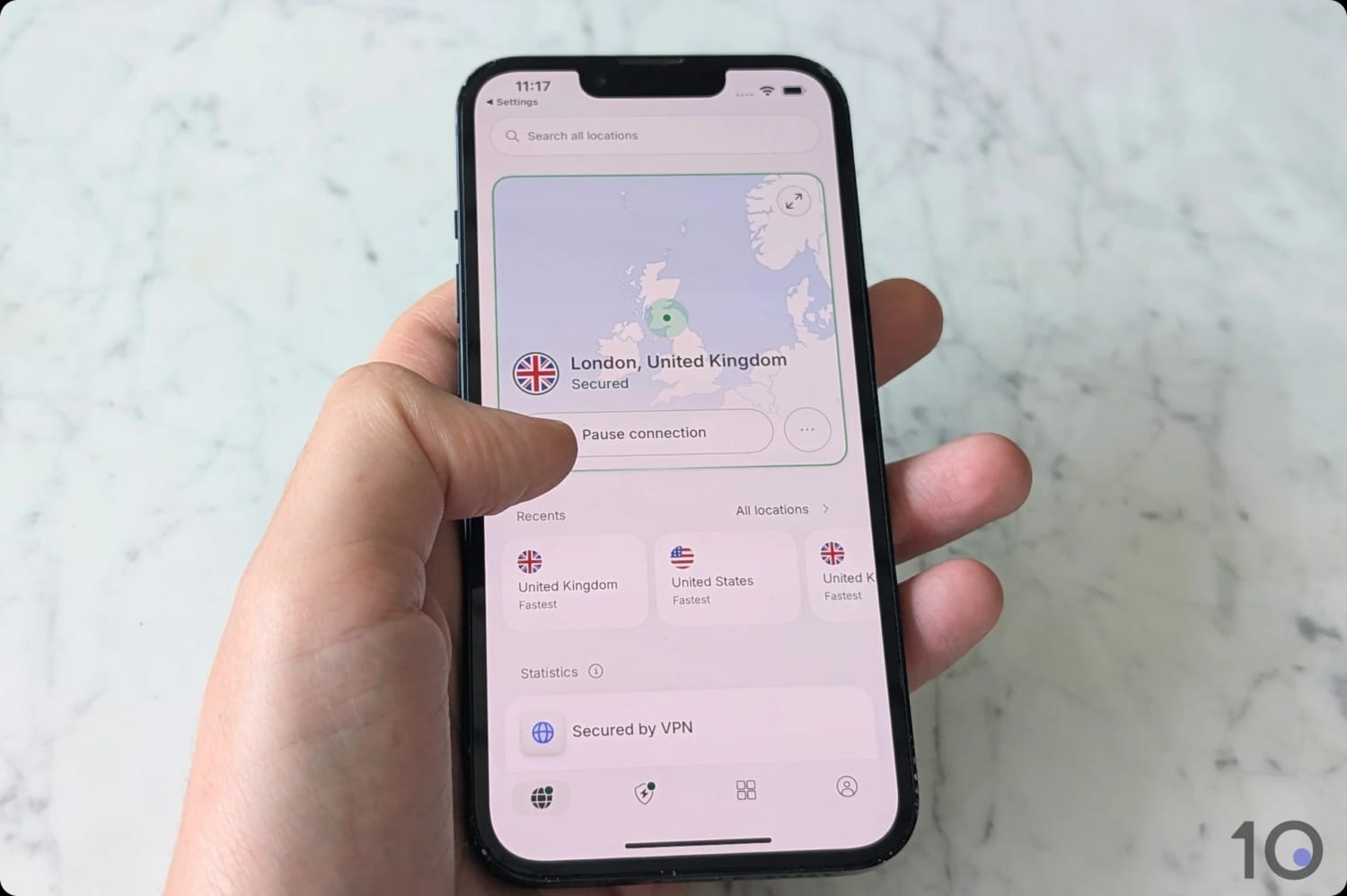
Often, yes. Because a VPN encrypts your traffic and handles your DNS requests through its own servers, your ISP can’t see which sites you’re visiting, so its filters don’t apply.
That’s genuinely useful when an overly broad parental filter blocks a legitimate site, or a service you rely on gets swept up in a wider block.