










FAQs
Why Can’t I Watch Sky Go Abroad?
Why Can’t I Watch Sky Go Abroad?
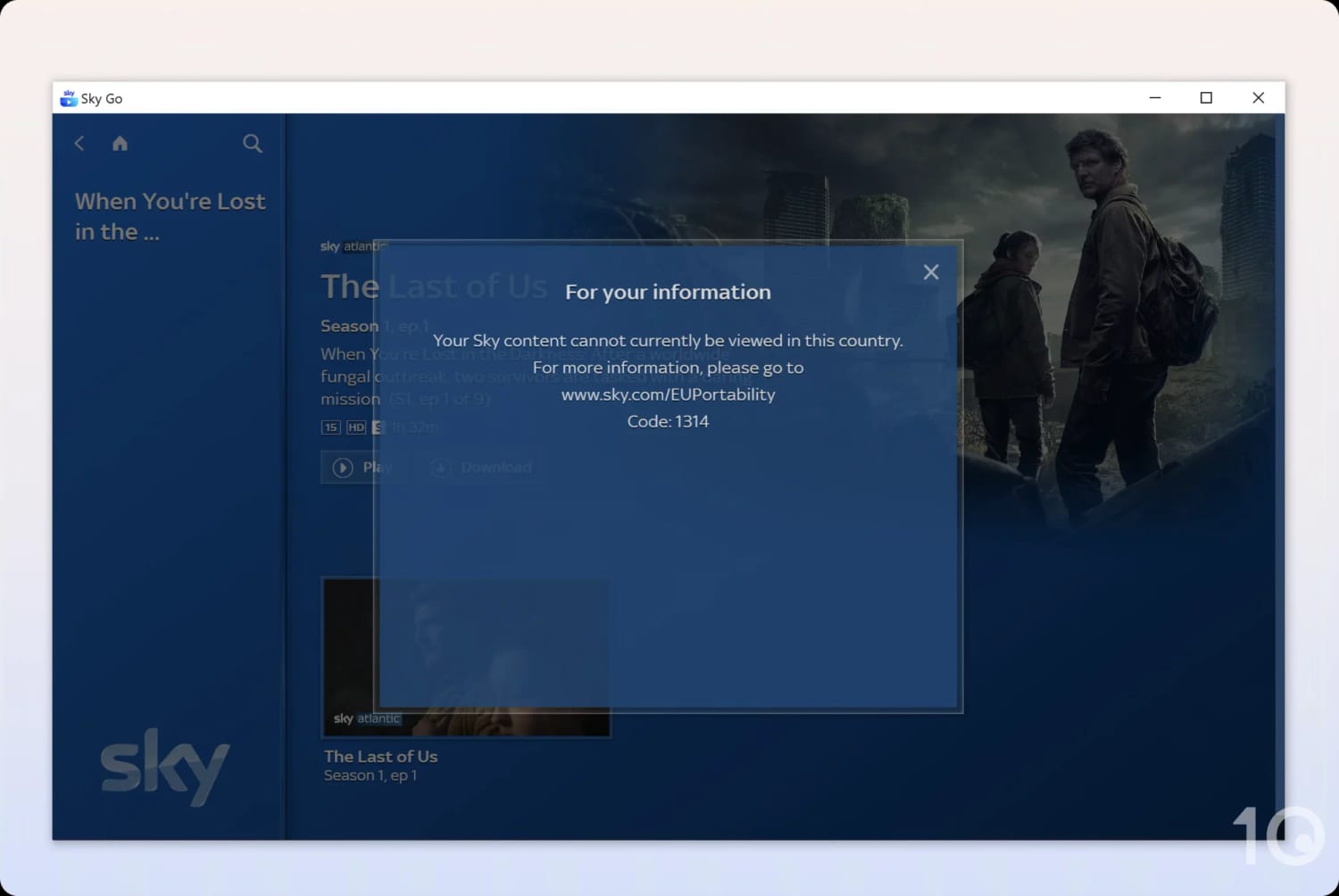
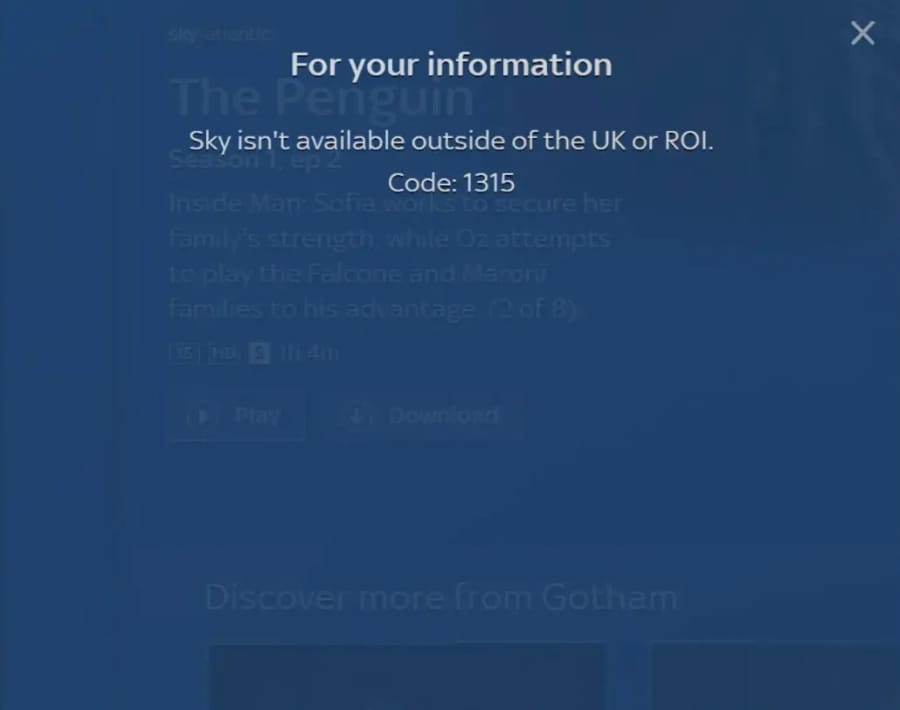
Sky Go is only available to Sky TV subscribers in the UK and Ireland, and that’s by design: it was built for domestic audiences.
To enforce this, the streaming service is region-locked, so it won’t open outside those countries.
It used to be a different story within the EU. EU Portability rules require online content services in one member state to be available across the rest, which meant Sky Go UK traveled with you. Since January 2021, Brexit has meant those rules no longer apply to Sky.
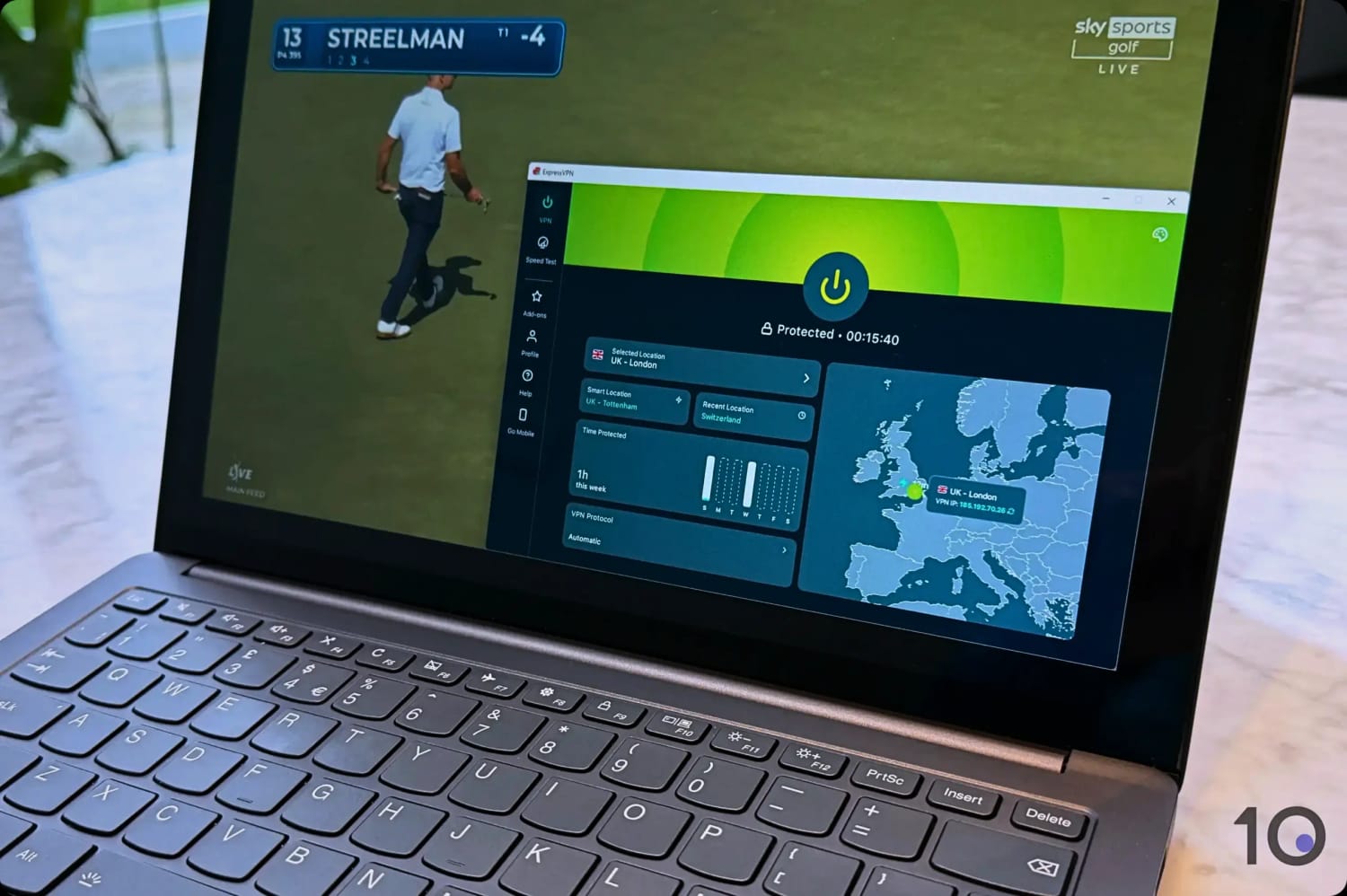
The good news is that a VPN gets you around the restriction regardless.
Is It Legal to Use Sky Go with a VPN?
Is It Legal to Use Sky Go with a VPN?
Using a VPN is legal in most countries, and using one to watch geo-restricted content isn’t a crime.
It may, however, breach Sky’s terms of service, which require you to be resident in the UK, the Channel Islands, the Isle of Man, or the Republic of Ireland, and to use the service only on devices within that territory.
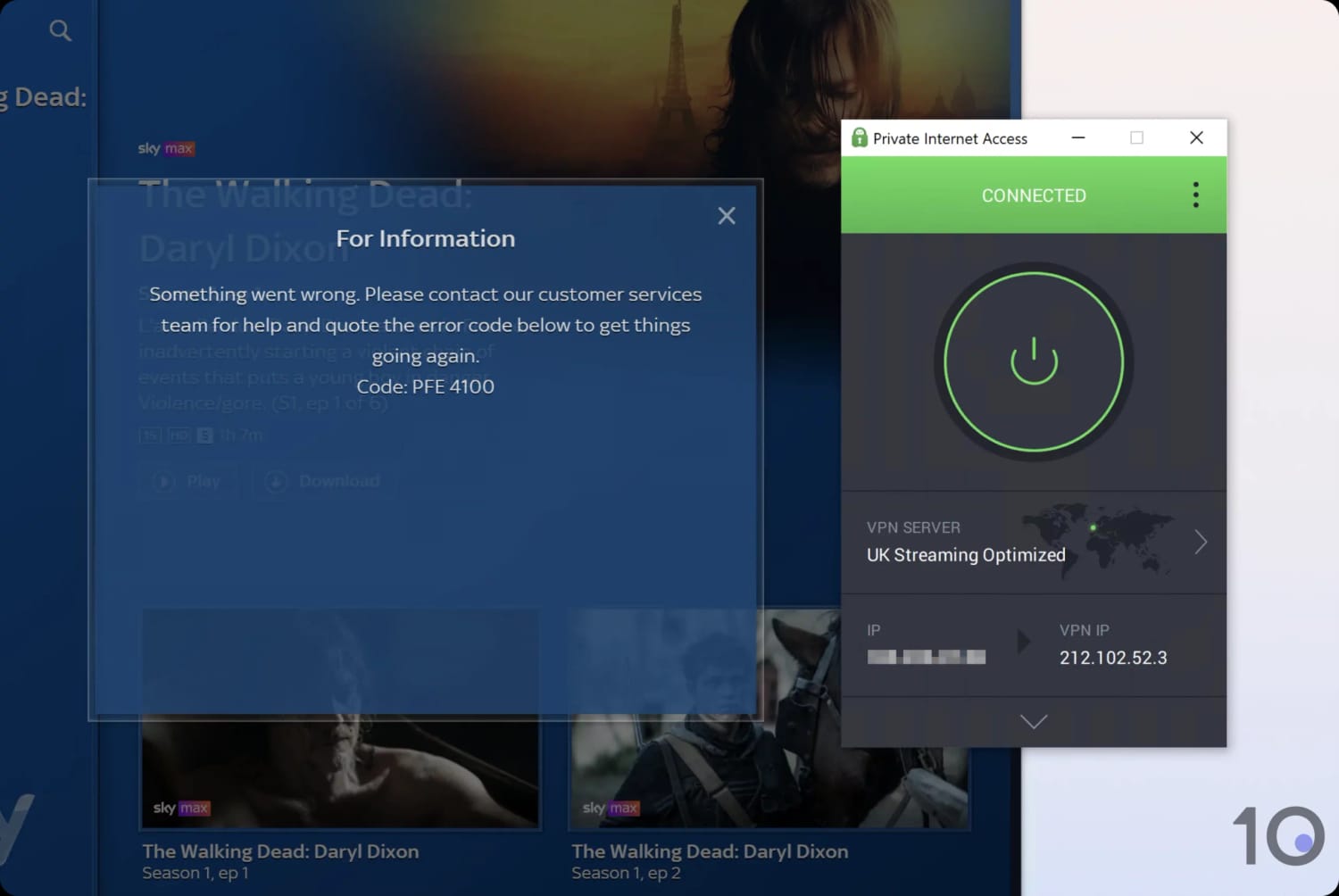
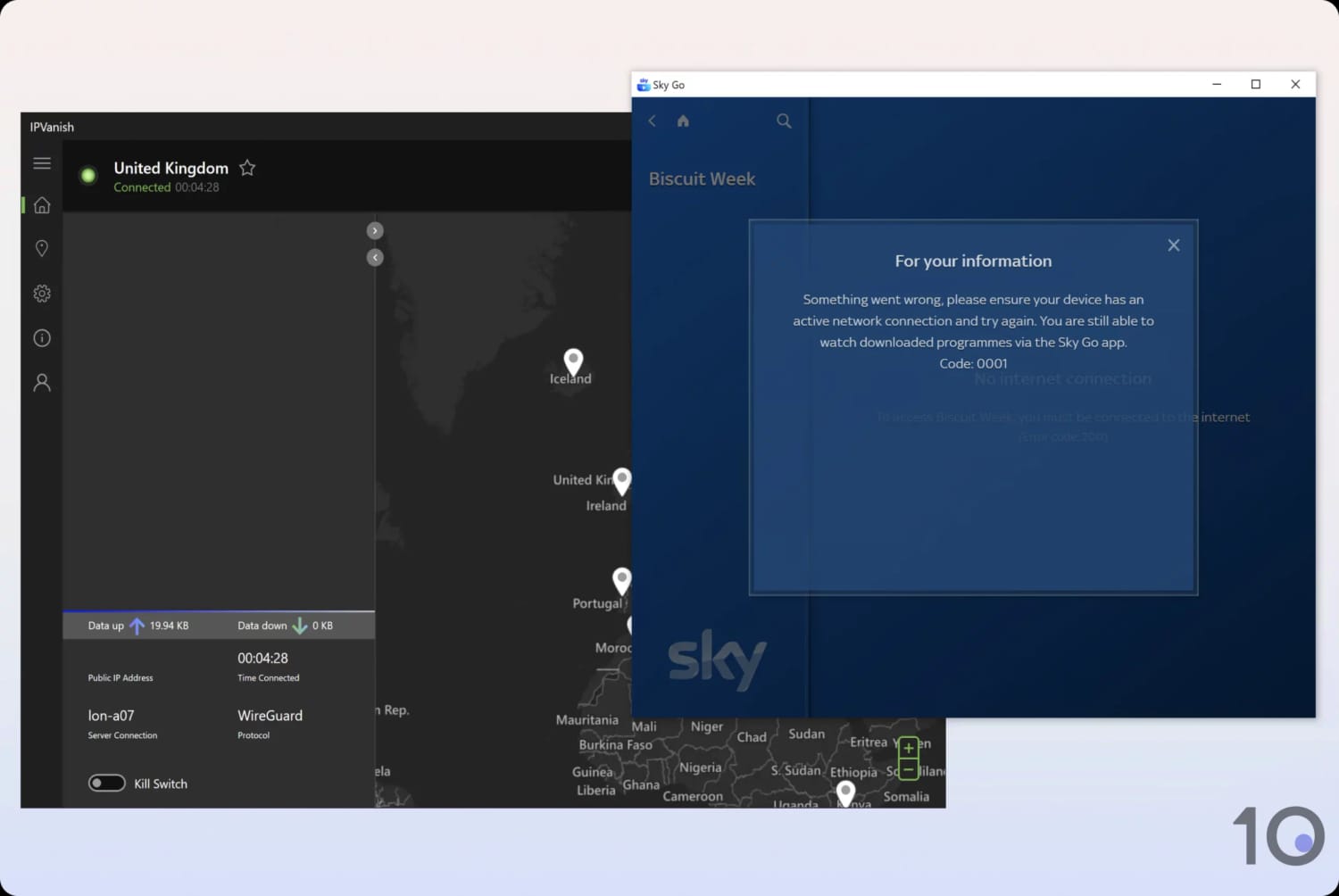
The worst-case outcome is that your Sky account gets terminated, though I’ve never come across a case of it actually happening. In practice, what you’ll run into is a blocked VPN connection.
How Does Sky Go Block VPNs?
How Does Sky Go Block VPNs?
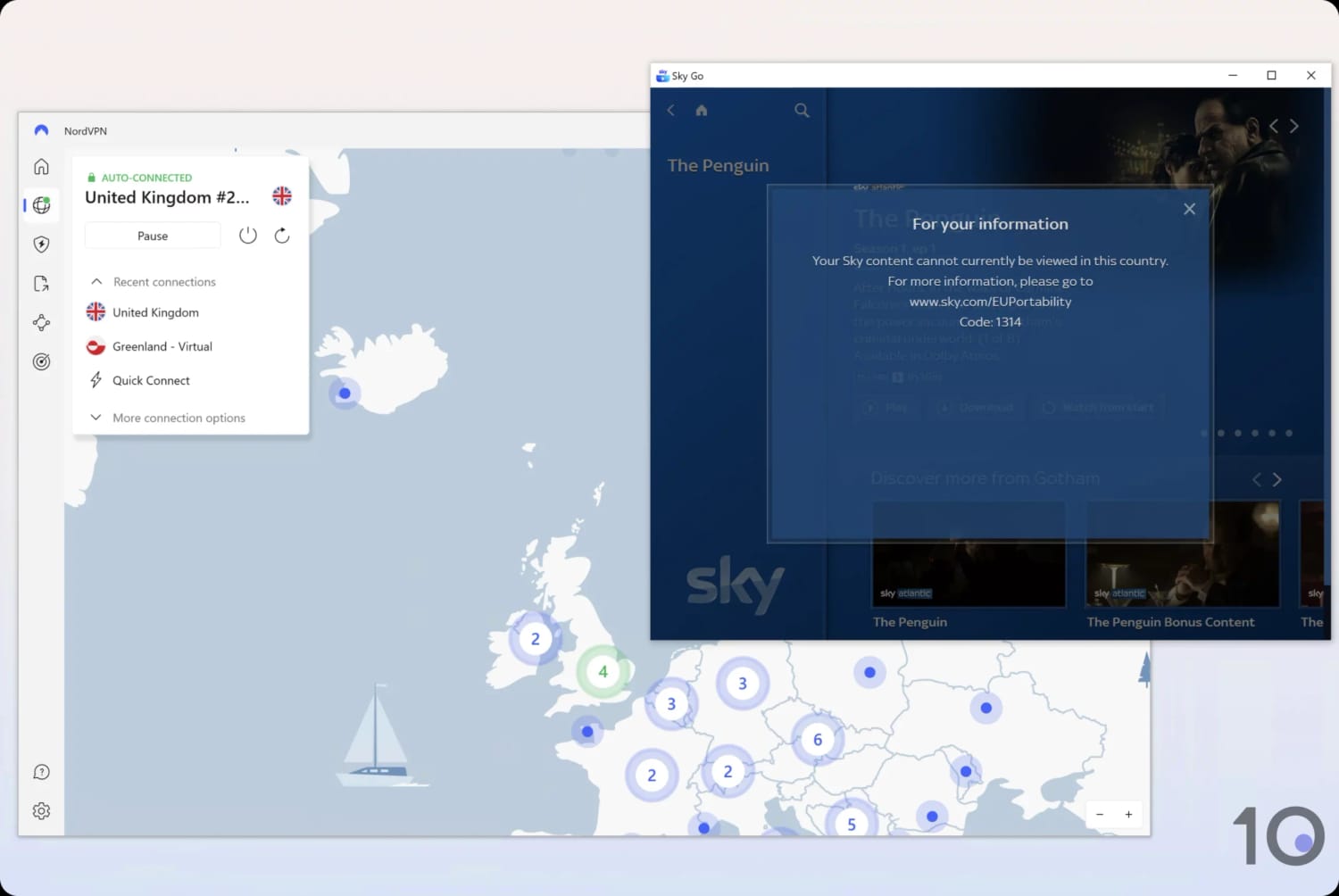
Sky continuously monitors IP addresses attempting to access its Sky Go service.
An automated system checks each one against a database of known VPN and proxy addresses. If it finds a match, that IP is cut off from all Sky content.
The more people who pile onto the same VPN IP address, the faster it gets flagged. This is why VPNs with small pools of UK and Irish IP addresses tend to stop working after a while.
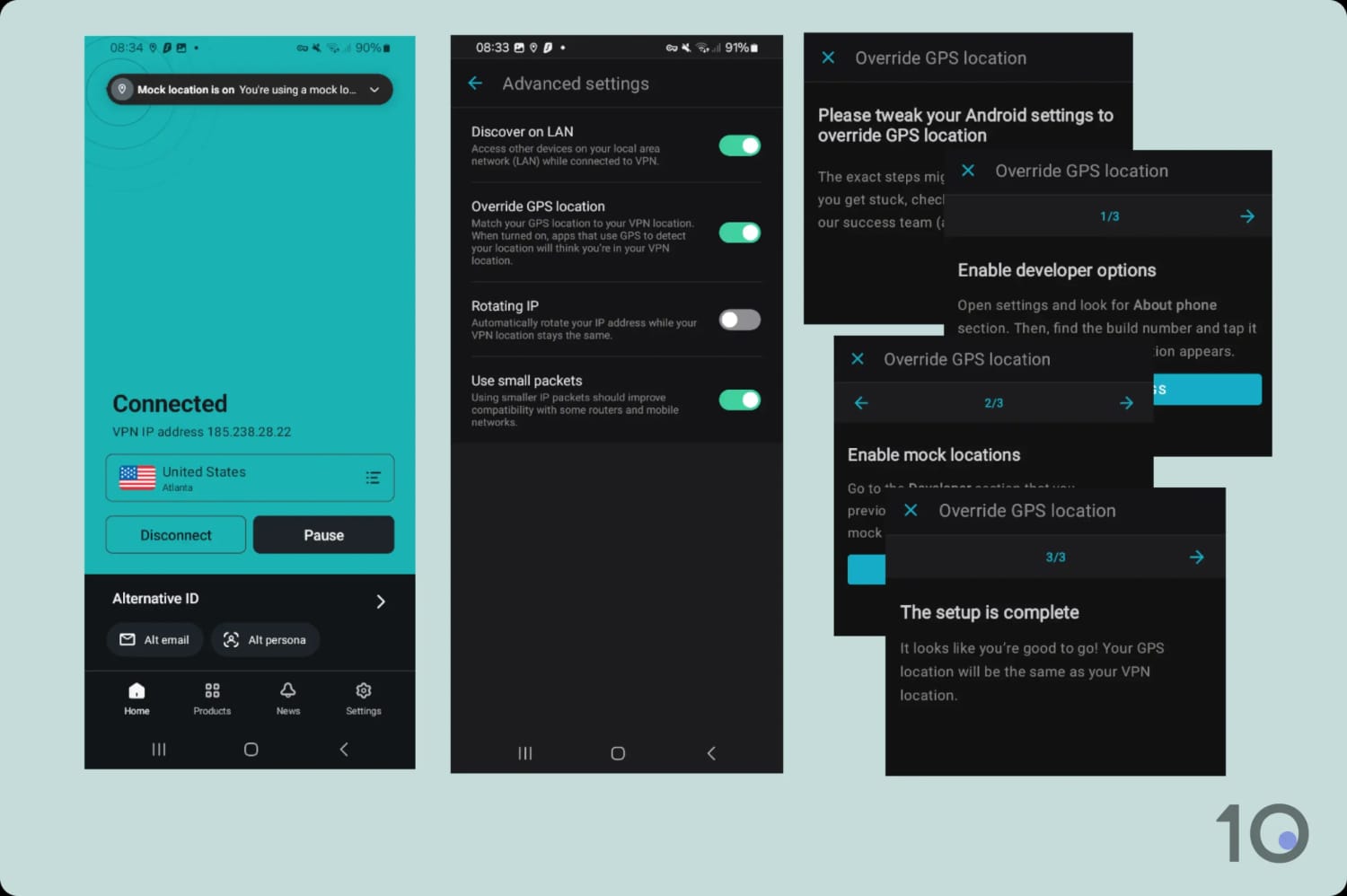
IP address is only the first layer, though. Sky Go also cross-references your device’s GPS coordinates on mobile, along with signals like your system time zone and region settings. If those place you outside the UK or Ireland, you’ll be blocked no matter which IP address you’re using.
Do My Sky Go VPN Picks Work with NOW?
Do My Sky Go VPN Picks Work with NOW?
Yes. ExpressVPN, Surfshark, Mullvad, and PrivadoVPN all unblocked NOW from outside the UK and Ireland without any trouble.
NOW is owned by Sky, so it’s a fair assumption that the same detection technology sits behind both services.