Top10VPN is editorially independent. We may earn commissions if you buy a VPN via our links.
Is It Really Worth Getting a VPN?
Simon Migliano
Simon Migliano is a recognized world expert in VPNs. He's tested hundreds of VPN services and his research has featured on the BBC, The New York Times and more. Read full bio
VPNs are definitely worth it if you want to access geo-restricted online content, evade web surveillance and censorship, or hide your internet activities from your ISP or other online snoopers. If you’re not interested in any of these uses, then the added cost and internet speed reduction of using a VPN outweigh the benefits.
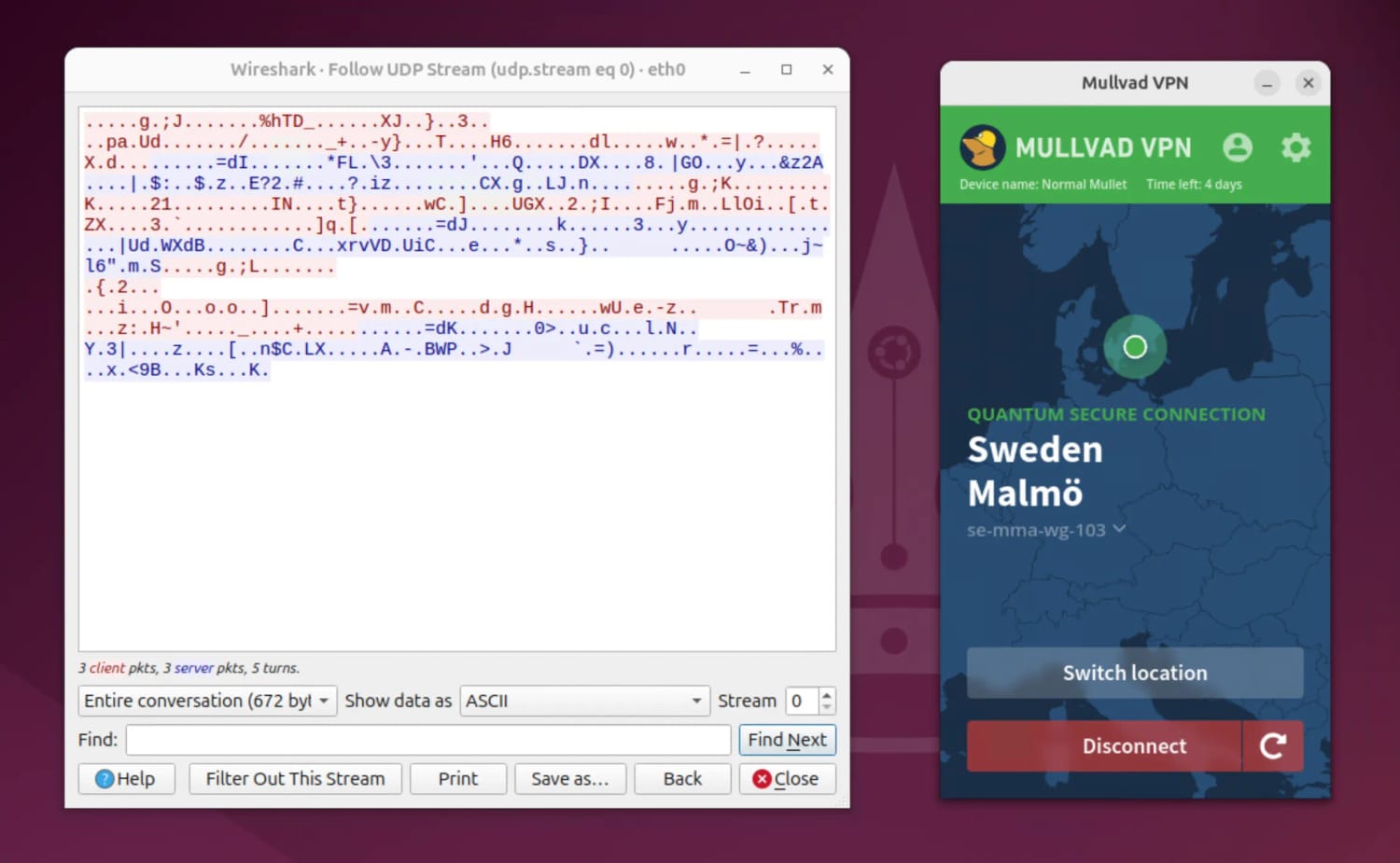
A virtual private network (VPN) is a piece of software that encrypts your internet connection and routes it through a remote server in a country of your choice.
By doing so, it masks your true IP address and location, allowing you to access geo-blocked streaming services and hide your browsing activity from your ISP and other snoopers.
Whether a VPN is worth it or not ultimately depends on what you want to achieve with it.
You live or are travelling to a country with heavy internet censorship
You’re concerned about your ISP seeing the websites you visit
You download torrent files
❌ A VPN Is Not Worth It If:
You prioritize internet speed above all else
You only use the internet casually, like for social media and online shopping
You want a seamless browsing experience, free of CAPTCHAs and other website blocks
Why Trust Us?
We’re fully independent and have been reviewing VPNs since 2016. Our advice is based on our own testing results and is unaffected by financial incentives. Learn who we are and how we test VPNs.
When VPNs Are Worth It
Whether a VPN is worth it depends on your needs, but there are several clear and proven benefits to having one, as we explain in this video:
We’ve also listed below the six reasons why VPNs are worth getting:
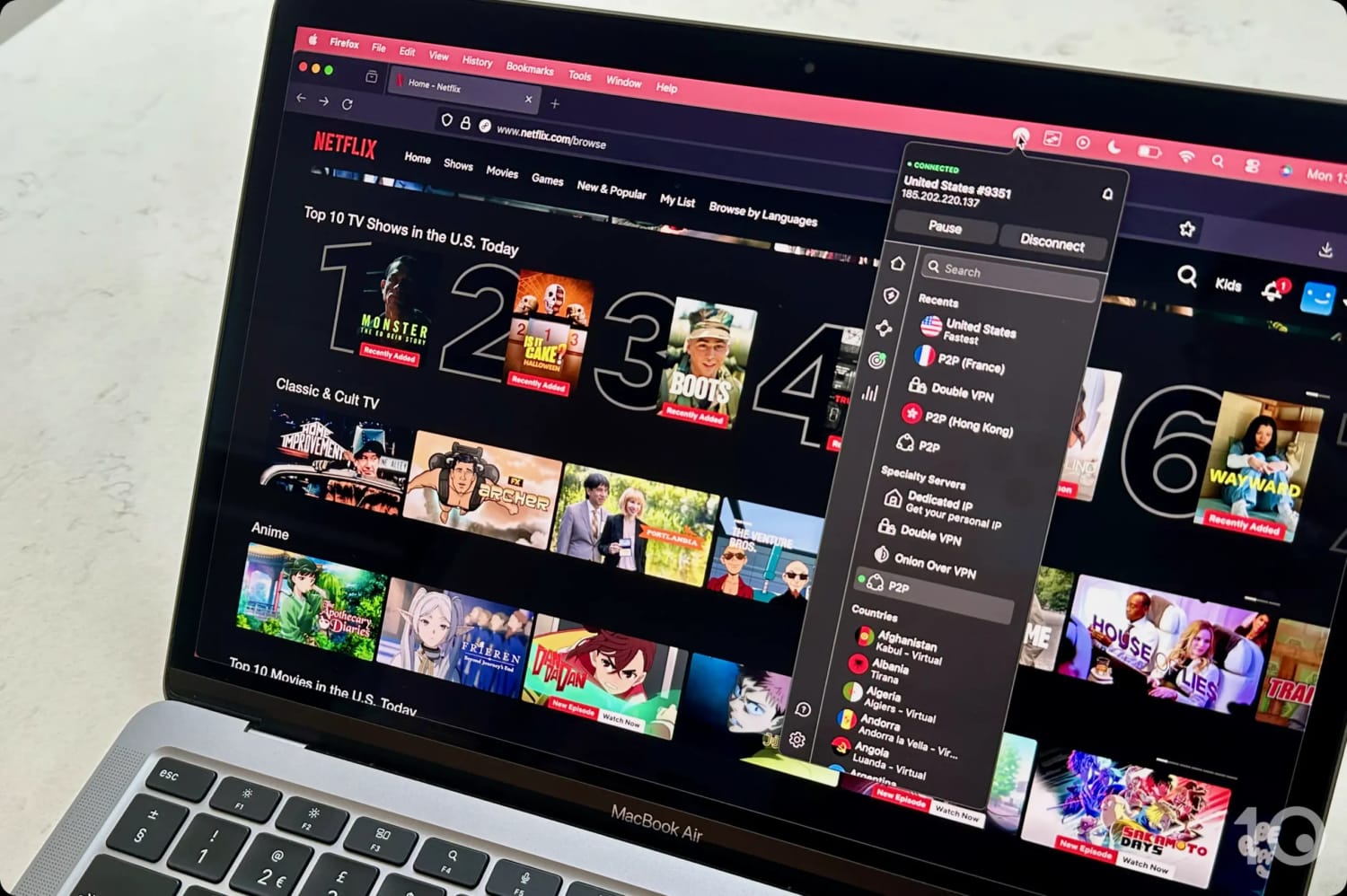
NordVPN works reliably with US Netflix and several other regions.
We’ve used VPNs to access 120 streaming services around the world, but not all VPNs are good at this.
Streaming services like Netflix and BBC iPlayer try to block VPN traffic, and only the best VPNs for streaming can bypass these restrictions with ease.
3. Unblocking Websites in Highly Censored Countries
VPNs are essential if you live in a country with high levels of online censorship, since they will allow you to bypass the country’s strict firewalls and access blocked websites and apps.
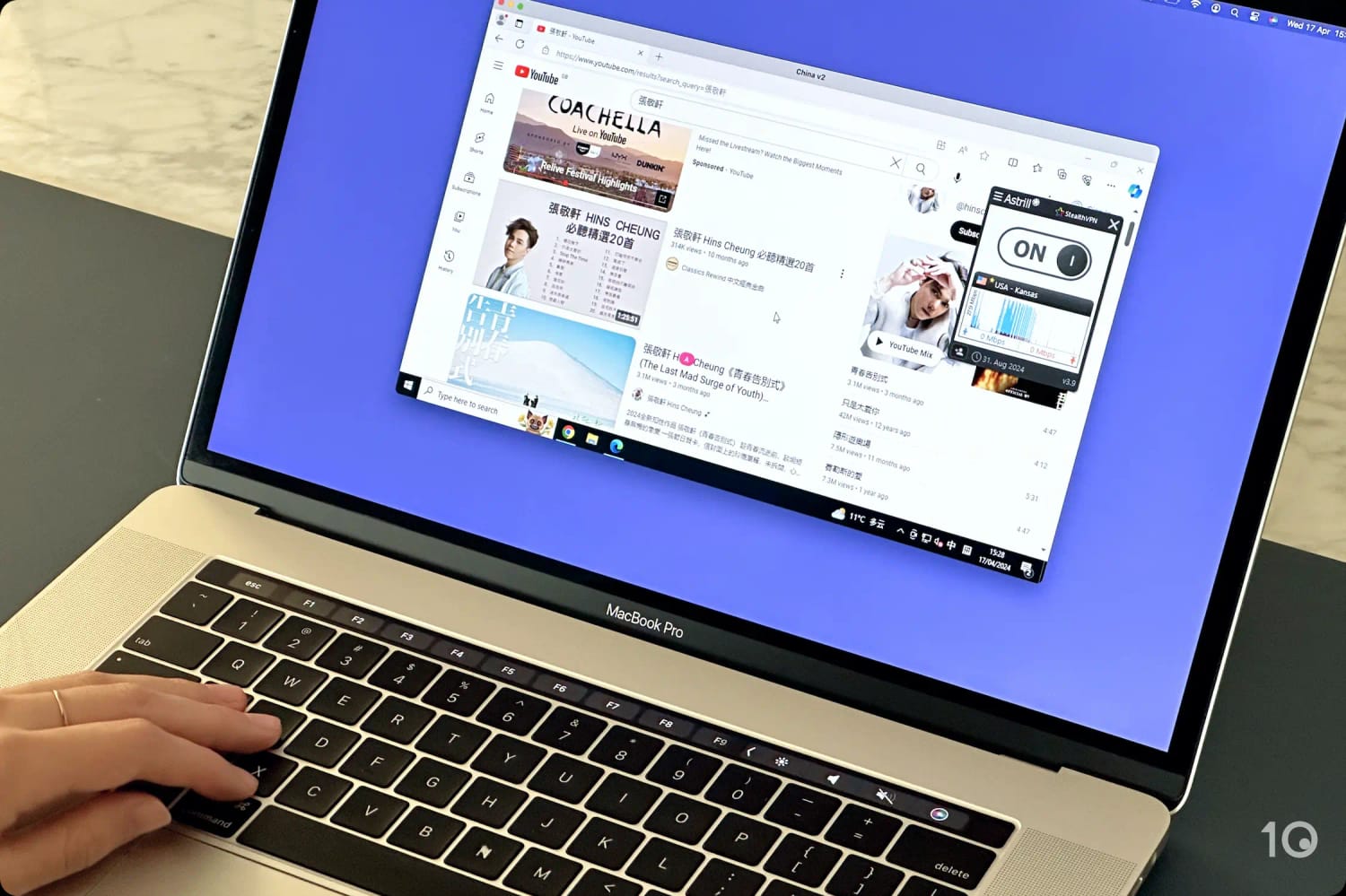
If you’re traveling or moving to countries like Turkey, Russia or China, we strongly recommend you use a VPN with obfuscation technology to keep access to your usual internet services.
There are a number of VPNs that can access blocked sites in China, like Astrill.
4. Getting Cheaper Deals and Subscriptions
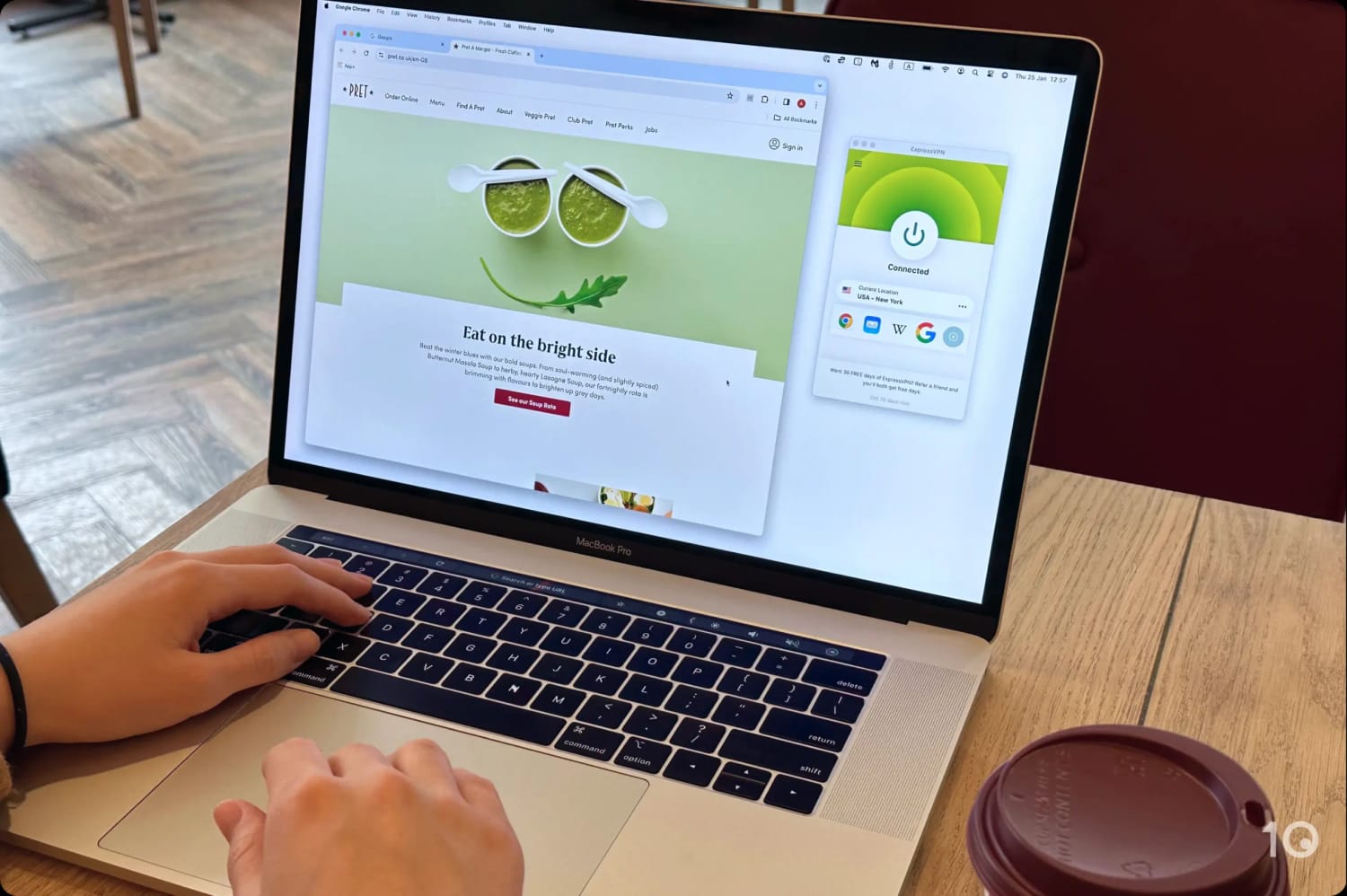
VPNs make it look like you’re in another region, so you can sometimes pay for services at local prices.
We’ve also used VPNs to stream live sports for substantially less, like watching the Champions League for cheaper or even streaming F1 races for free.
5. Securing Public WiFi Networks
Using public WiFi is a lot safer than it used to be, but there are still risks from hackers and malicious actors, and the fact that the WiFi owner can see your internet history.
Although the risks are much smaller than they used to be, it’s still worth using a VPN for peace of mind when using public WiFi, especially if you’re doing something sensitive like online banking.
We always use a VPN to connect to public WiFi.
6. Hiding Your Torrenting Activity
If you torrent without a VPN, your IP address is visible to other peers in the swarm, and the files you download are visible to your ISP.
Accidentally downloading copyrighted material would put you at risk of legal penalties pursued by copyright trolls, licensing companies, or your ISP itself.
By using a secure VPN that doesn’t log what you do online, you can prevent your internet activities from being traced back to you. Plus, if there was a legal request for information about you, there wouldn’t be any records to share.
Torrenting with a no-logs VPN like Private Internet Access.
When VPNs Aren't Worth It
If none of the points above are important to you, then a VPN is not worth it. There are other disadvantages to VPNs to consider, too.
Below are three situations when VPNs are not worth it:
1. Achieving Complete Online Anonymity
VPNs are excellent at improving your online privacy, especially against your ISP and the governments that mandate data collection. However, VPN software alone will not make you fully anonymous online.
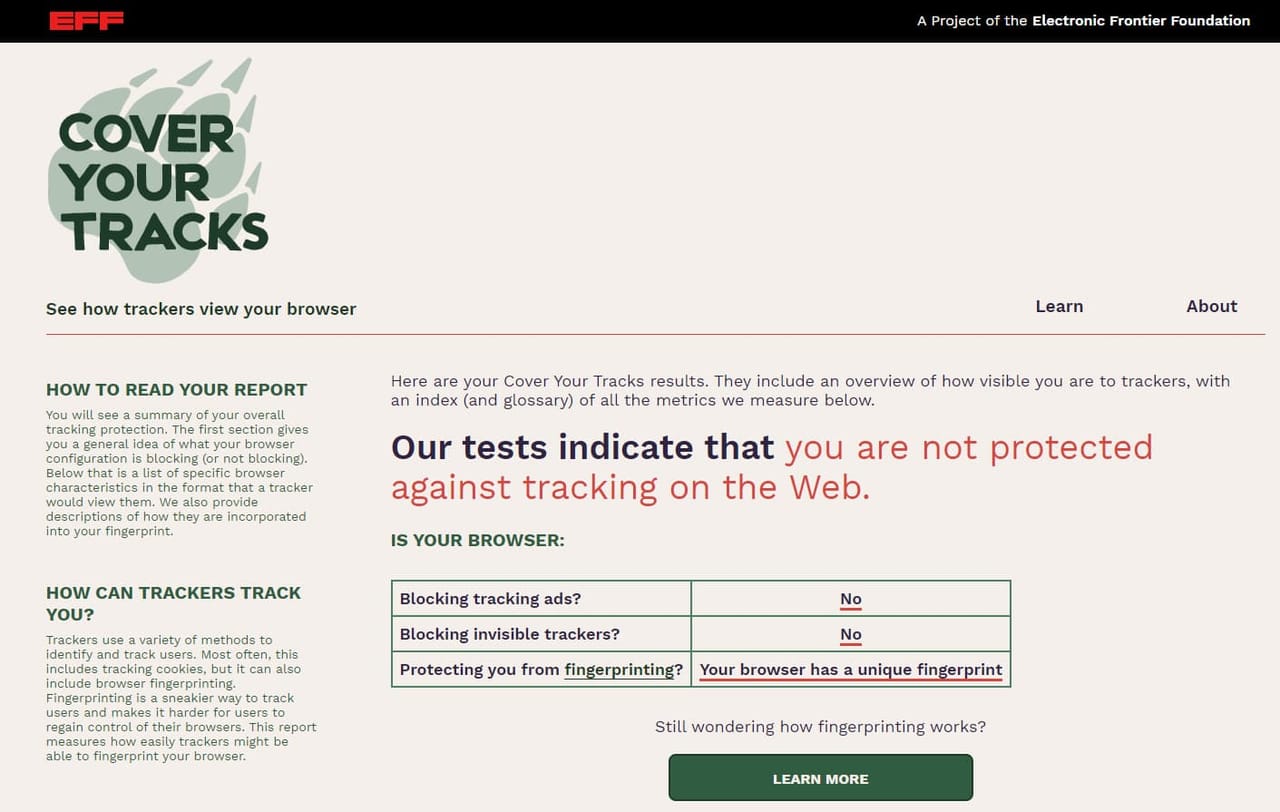
Tracking methods that work within your browser are not stopped by a VPN. For example, a VPN doesn’t block cookies or fingerprinting based on your screen size, browser type, browser extensions, and how your graphics card works.
If you’re signed in to any social media accounts, your VPN will also become mostly worthless from a privacy point of view.
VPNs do not protect against browser fingerprinting.
Moreover, you still have to trust a VPN service with your data. This essentially involves the choice between a VPN company or your ISP handling your data, so it’s vital to know whether the VPN service itself is trustworthy.
This is a problem when many VPNs can themselves be a threat to your online privacy and security. They’re usually the free ones, like Hola, but even some subscription-based providers have been caught in scandals, like Avast SecureLine harvesting user data.
VPNs can also expose user data through accidental data leaks. If you’ve already subscribed to a service, use our VPN leak test tool to check for vulnerabilities.
2. Comprehensive Security Protection
VPNs improve your online security, but they aren’t perfect. While some VPNs include ad blockers and malware protection, our tests show that they’re not as effective as dedicated ad blockers or antivirus software.
If your primary goal is to protect your device and your data from digital attacks and viruses, then it’s worth investing in another type of security software.
Furthermore, most attacks use some form of social engineering. They convince someone to install something or to visit a website that has been weaponized to attack vulnerabilities in the user’s device.
Similarly, while a VPN’s encryption can prevent attackers from inserting malware into your web traffic, it can’t stop you downloading malware through the tunnel if that’s what you choose to do. Nor will a VPN scan any incoming emails or files to check whether they’re safe.
Your traffic is encrypted and routed through a remote server before reaching its destination – essentially taking a longer, more secure path to websites.
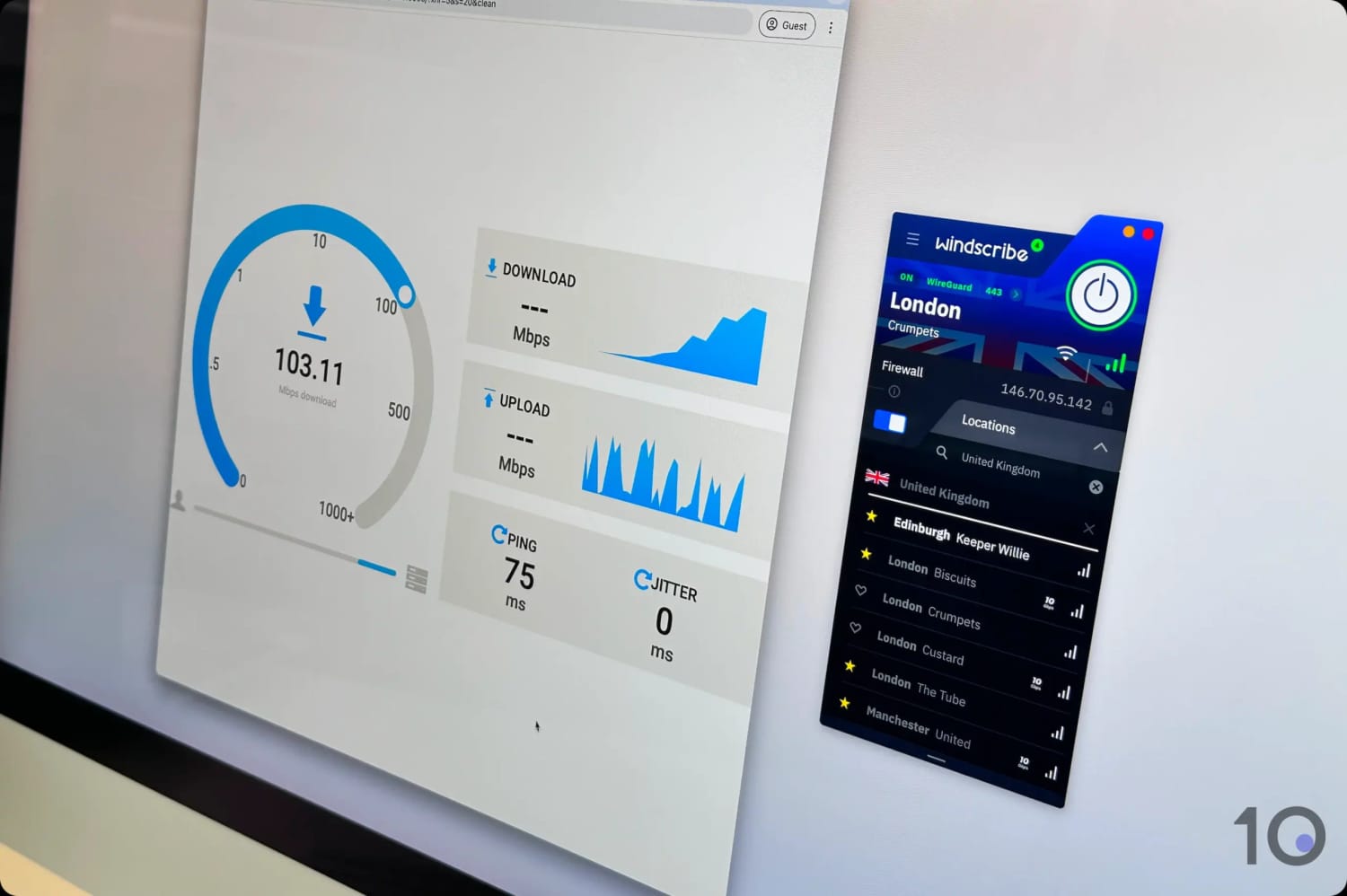
Even the fastest VPNs will slow down your internet to some degree. We recorded an average download speed loss of 13% with ExpressVPN and NordVPN, and 15% with Surfshark.
We used our proprietary speed test tool to record each VPN’s connection speed.
Free vs Paid: Is It Worth Paying for a VPN?
If you don’t plan to use a VPN very often, it might not be worth investing in a paid service.
There are a few free VPNs that are completely safe, such as Windscribe, Hide.me, and Proton VPN, although they come with various limitations, including monthly data caps, server restrictions, and slower speeds.
The table below shows the differences between the paid and free versions of Windscribe and Proton VPN, two trustworthy VPN services:
Windscribe (Paid)
Windscribe (Free)
Proton VPN (Paid)
Proton VPN (Free)
Countries with Servers
69
10
126
10
Monthly Data Cap
Unlimited
10GB
Unlimited
Unlimited
Netflix Libraries
32
5
6
0
Torrenting
Yes
Yes
Yes
No
In short, for any regular VPN use, it’s worth paying for a high-quality paid service.
FAQs
Do I Need a VPN Even If Websites Use HTTPS?
HTTPS encryption hides your activity from third parties, but your ISP can still see the domains you visit and use that to profile you.
Not every website uses HTTPS, either. In this case, anyone in the middle of your communications (including your ISP) can see all your web traffic.
A VPN’s encryption and first-party DNS servers prevents your ISP seeing which domains you visit on both HTTP and HTTPS connections. The VPN encrypts all of your web traffic, too – not just the traffic from your browser window.
Is There a Downside to Using a VPN?
A VPN causes a small reduction in your connection speeds, so if you’re already on a slow connection, that might cause problems.
Some services might also block access if they detect you’re using a VPN, but you can often fix that by connecting to a different VPN server, or using a different VPN service.
Generally speaking, most people find that a VPN is easy to use and doesn’t cause issues.
Will a VPN Help Me Avoid a Data Breach?
A data breach happens when a company that has information about you is hacked. A VPN can’t stop this happening, and the data leaked is usually customer data that people have given to the company when trading with them.
However, a VPN can reduce the amount of data that is collected about you by your ISP. This would reduce the damage if your ISP were to be hacked.